
Rewriting the story: How Tameside is changing the narrative through placemaking
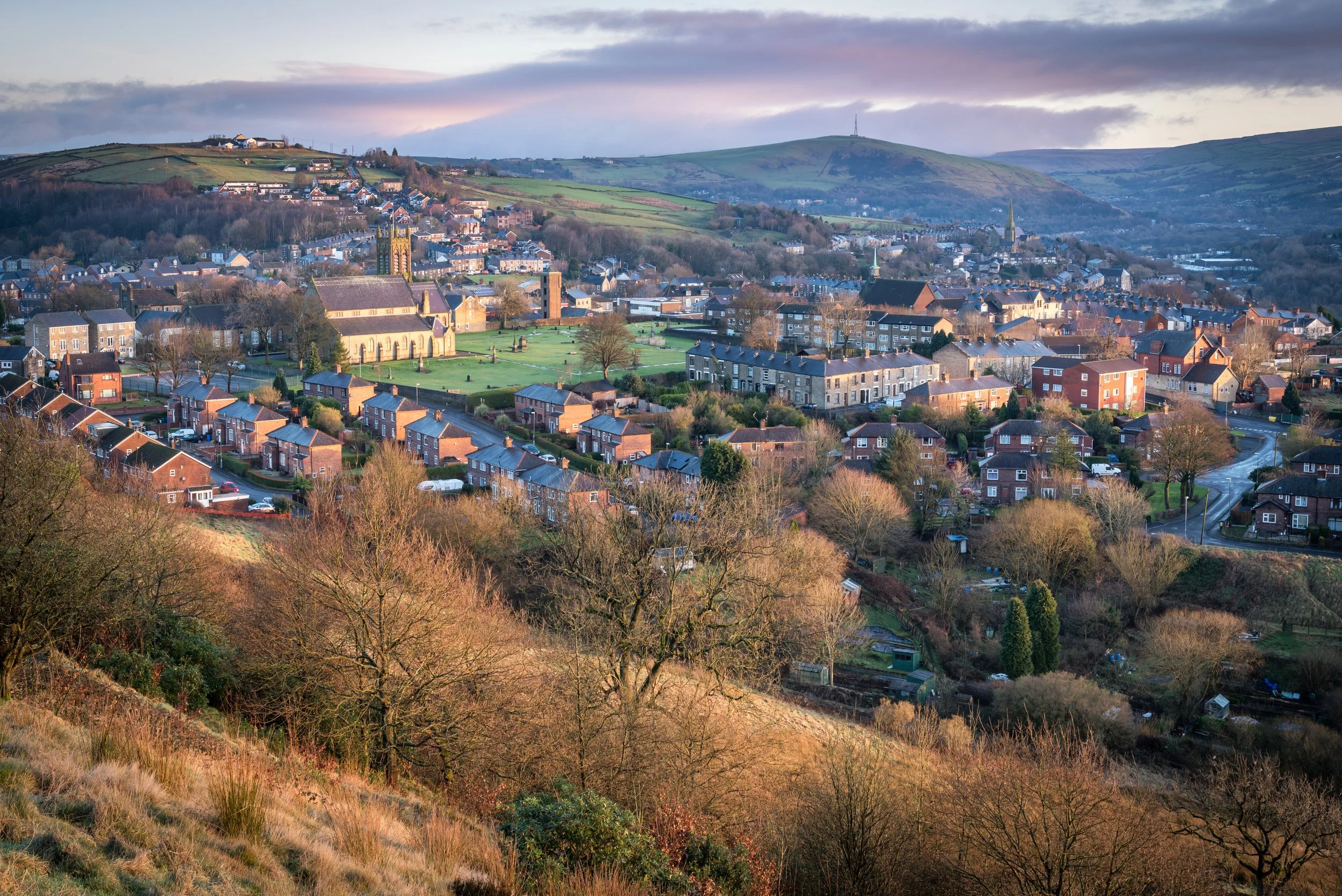
Every place has stories to tell. Tales of its origins, who it belongs to and where it’s going next. And places change all the time, too, as my Flashback Friday posts have demonstrated.
But not every place gets to be the author of its own story. Sometimes the narrative is shaped from elsewhere, and it doesn’t always do justice.
In Greater Manchester’s wider success story, some boroughs are often left out of the limelight.
So this month we’re shining the spotlight on how Tameside is rewriting the script. From being historically overlooked, it’s now proactively reshaping perceptions, celebrating its own successes and setting the scene for what’s to come.
Time for a change: challenging perceptions
Tameside is a metropolitan borough made up of nine distinct towns – each with its own history, character and opportunities. That’s part of its appeal, but it doesn’t always translate into a simple or compelling regional narrative.
Too often, Tameside has been seen as peripheral – in geography and in influence. But the Council is working hard to change that. It understands that how a place is seen – by residents, investors and businesses – is a vital part of how it grows.
Place branding is more than marketing jargon. It’s about instilling confidence in a place. Manchester has long recognised the power of a strong brand. Now, Tameside is starting to shape one of its own, and that starts with changing the story that’s being told.
Small scale changes can move the dial
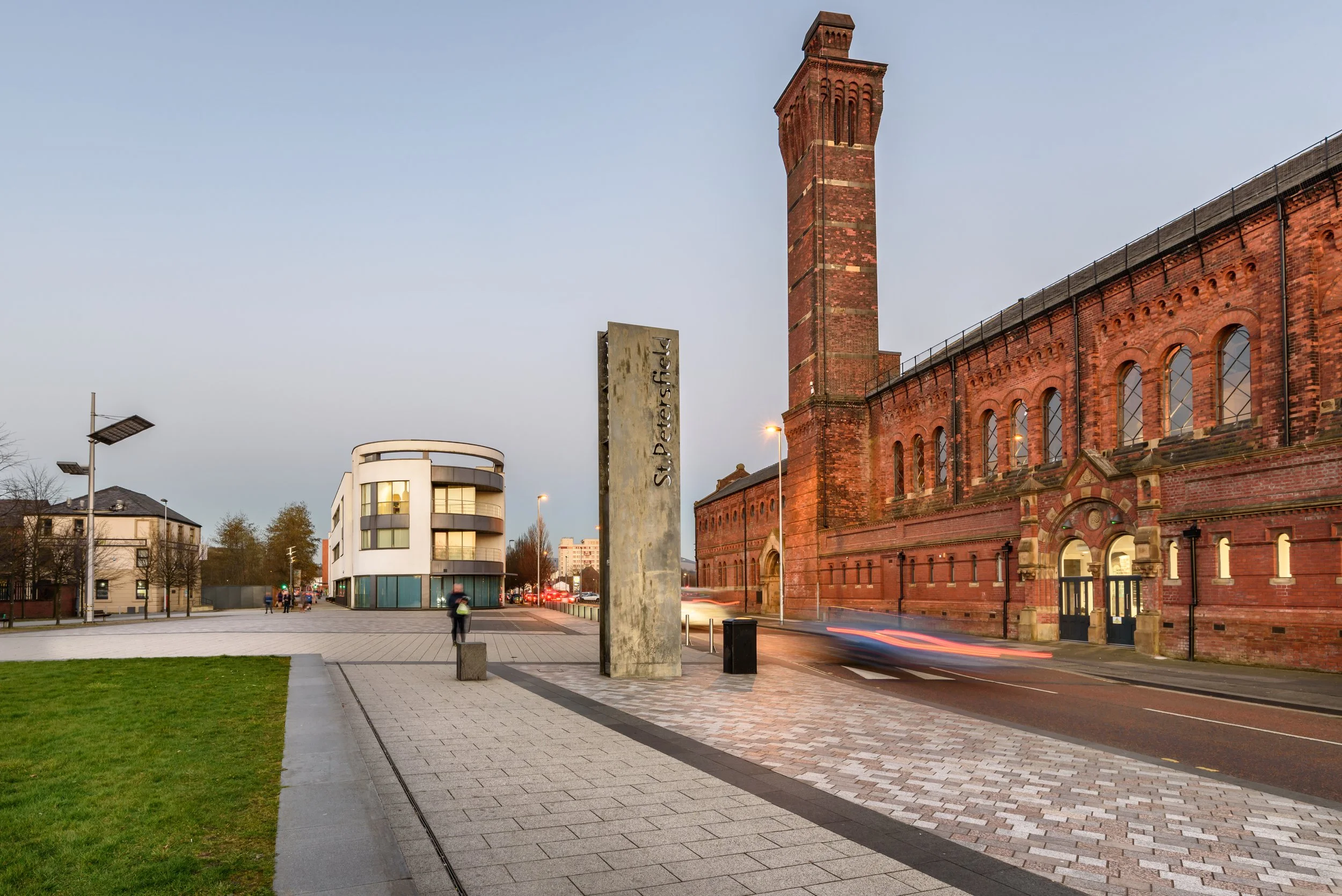
Ashton Old Baths has been recently converted into a digital and creative hub.
At the local scale Tameside’s town centres are where the story is unfolding in real time.
In Ashton, for example, the Council has capitalised on levelling up funding to support the redevelopment of its market square and market hall, while the striking conversion of Ashton Old Baths into a digital and creative hub has brought new life to a heritage asset. Mayor Andy Burnham’s recent Good Growth Fund announcement to commit £7.6m towards Ashton’s town centre regeneration has been another major boost.
Local wins create tangible benefits and shift perceptions. After all, a place’s reputation is built on what people can see and feel.
Storytelling as a strategy
These examples show the power planning can have in shaping a narrative, at both the strategic and local scale. Tameside understands its role is not only to deliver on its strategic objectives but to shape the stories that are told.
Through strategic planning, investment in its town centres and a confident vision for the future, Tameside is beginning to write a new narrative that reflects its identity, its ambition and its potential.
The creative reuse of Ashton Old Baths demonstrates placemaking with intent – big moves and small wins, each part of a bigger picture. This is the narrative that communities, developers and investors can all believe in.
The opportunity now is to build on this momentum. Because when places are given the opportunity to tell their own stories, they can become the kind of places where people want to live, invest in and be part of the story.
