
The Press, Manchester
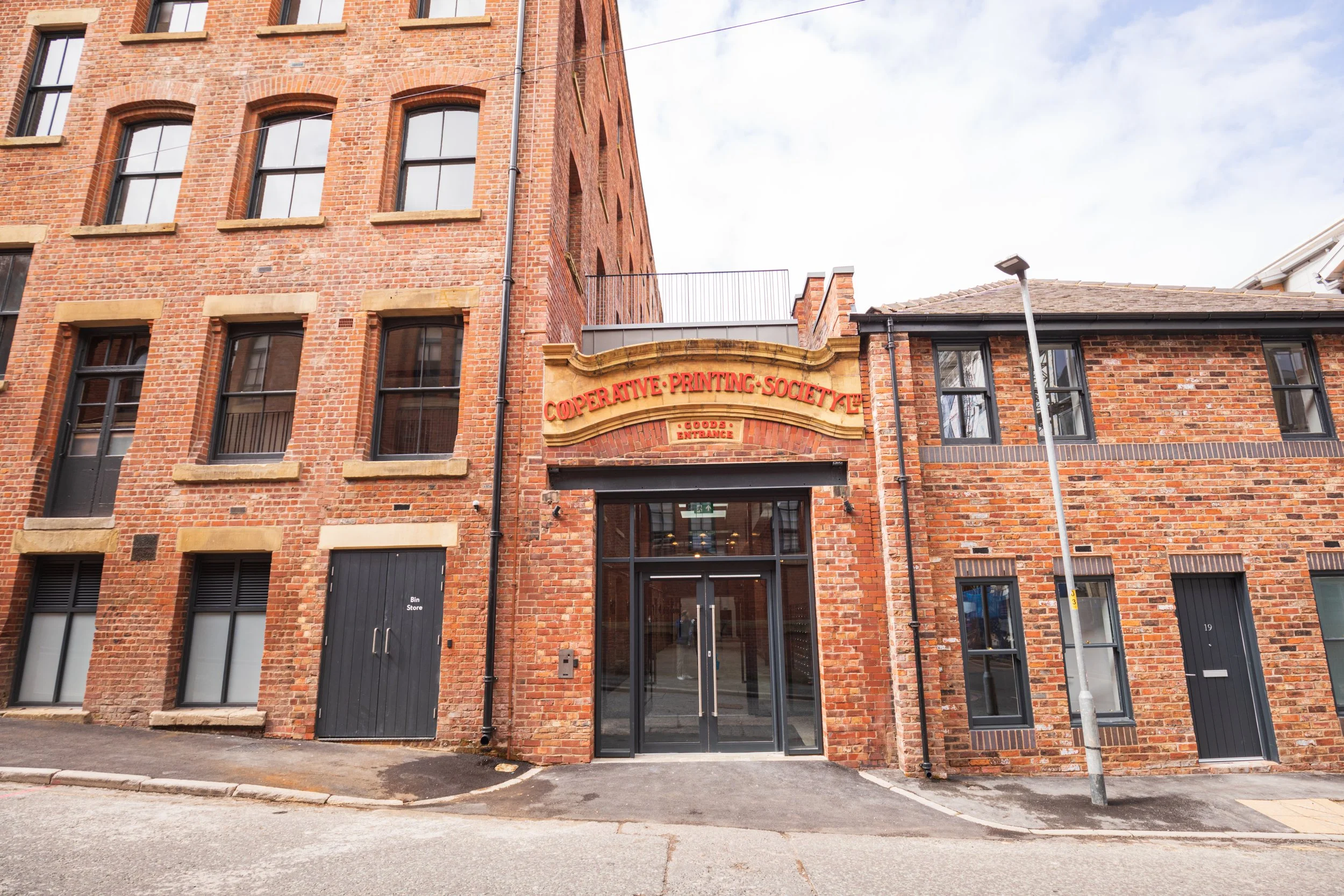
All images credited to Salboy
Helping unlock the delivery of 66 apartments in an historic warehouse through proactive post-permission planning negotiations and conditions discharge.
For: Salboy and DOMIS
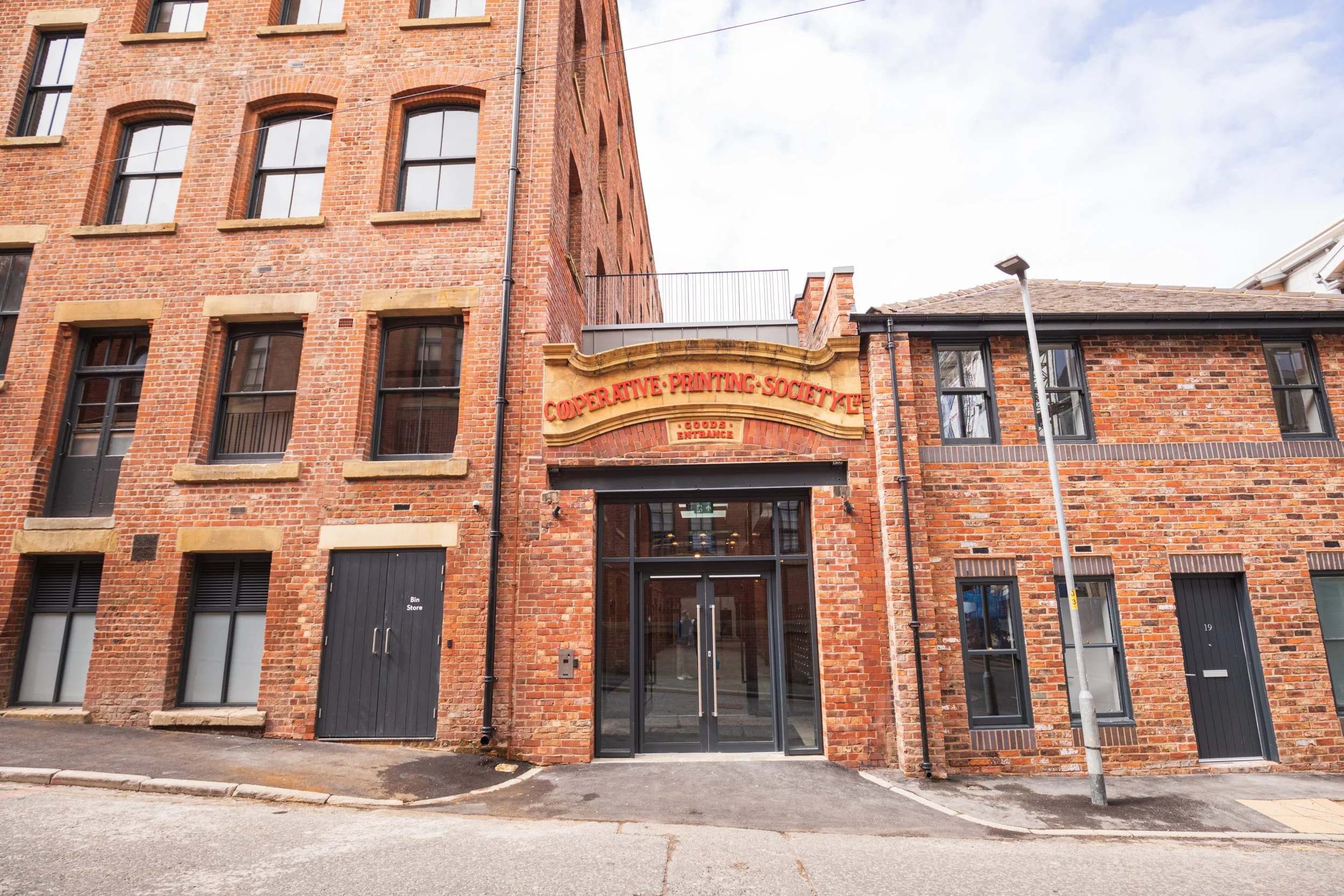
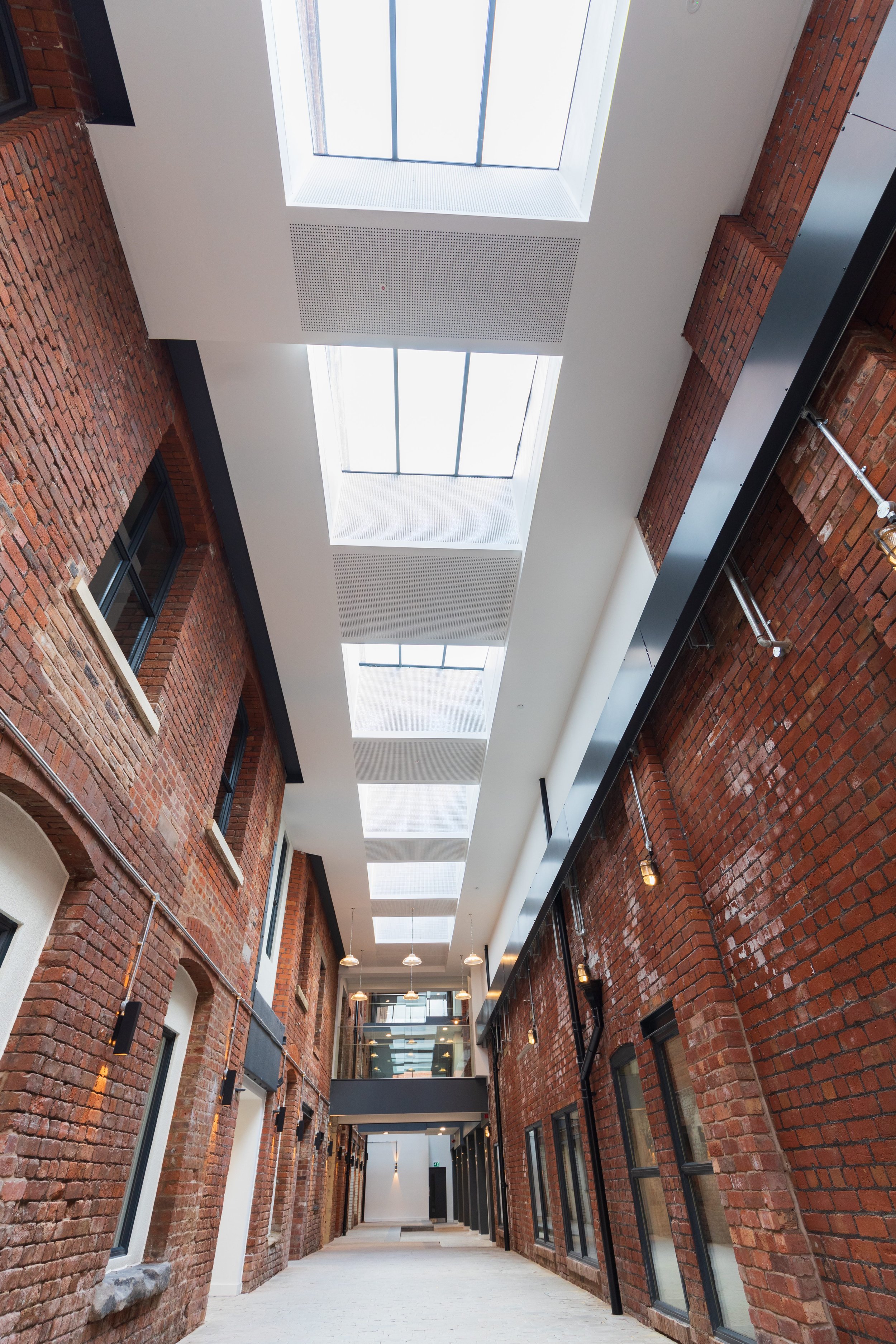
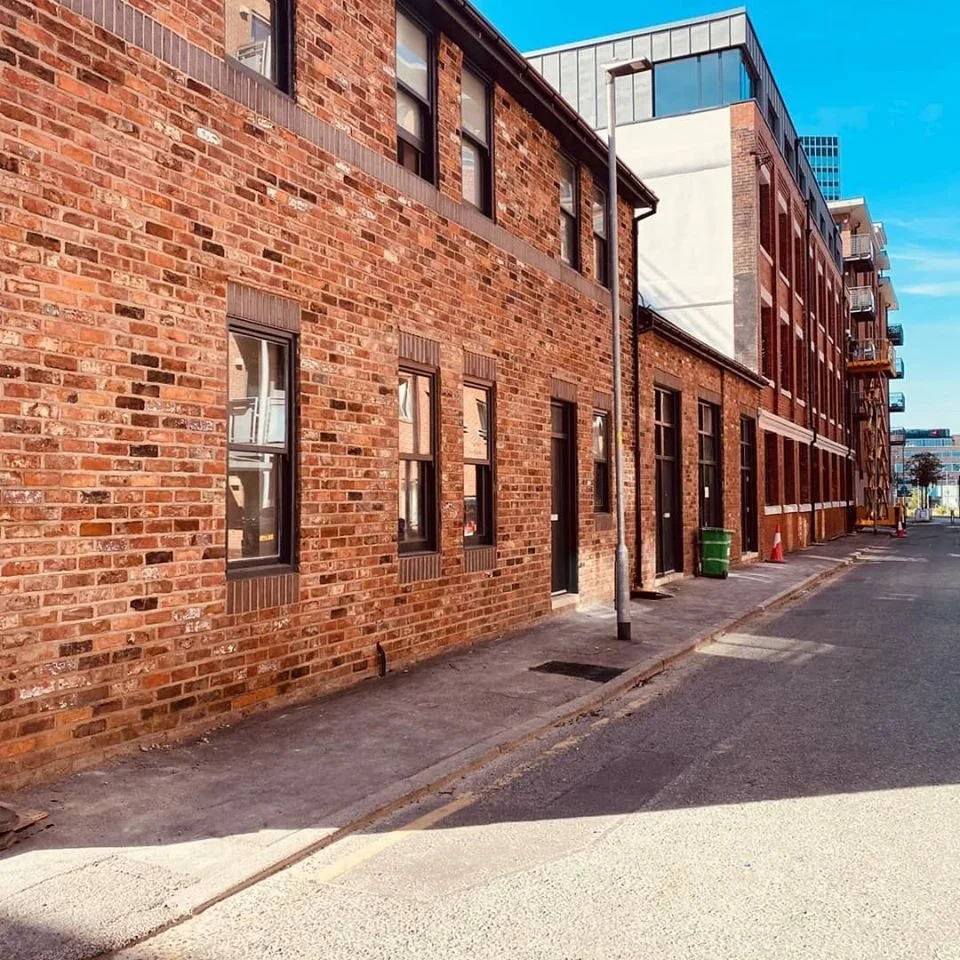
What is it : A Grade II listed warehouse conversion to residential requiring attention to details to preserve the building’s special historic value.
Local planning authority: Manchester City Council
What we did: We led the post-permission planning strategy for Salboy’s first building conversion, managing planning conditions and amendments, coordinating technical consultants and maintaining close dialogue with Manchester City Council’s planning and conservation officers.
We kept planning aligned with the construction programme to keep the project progressing at pace.
The challenge
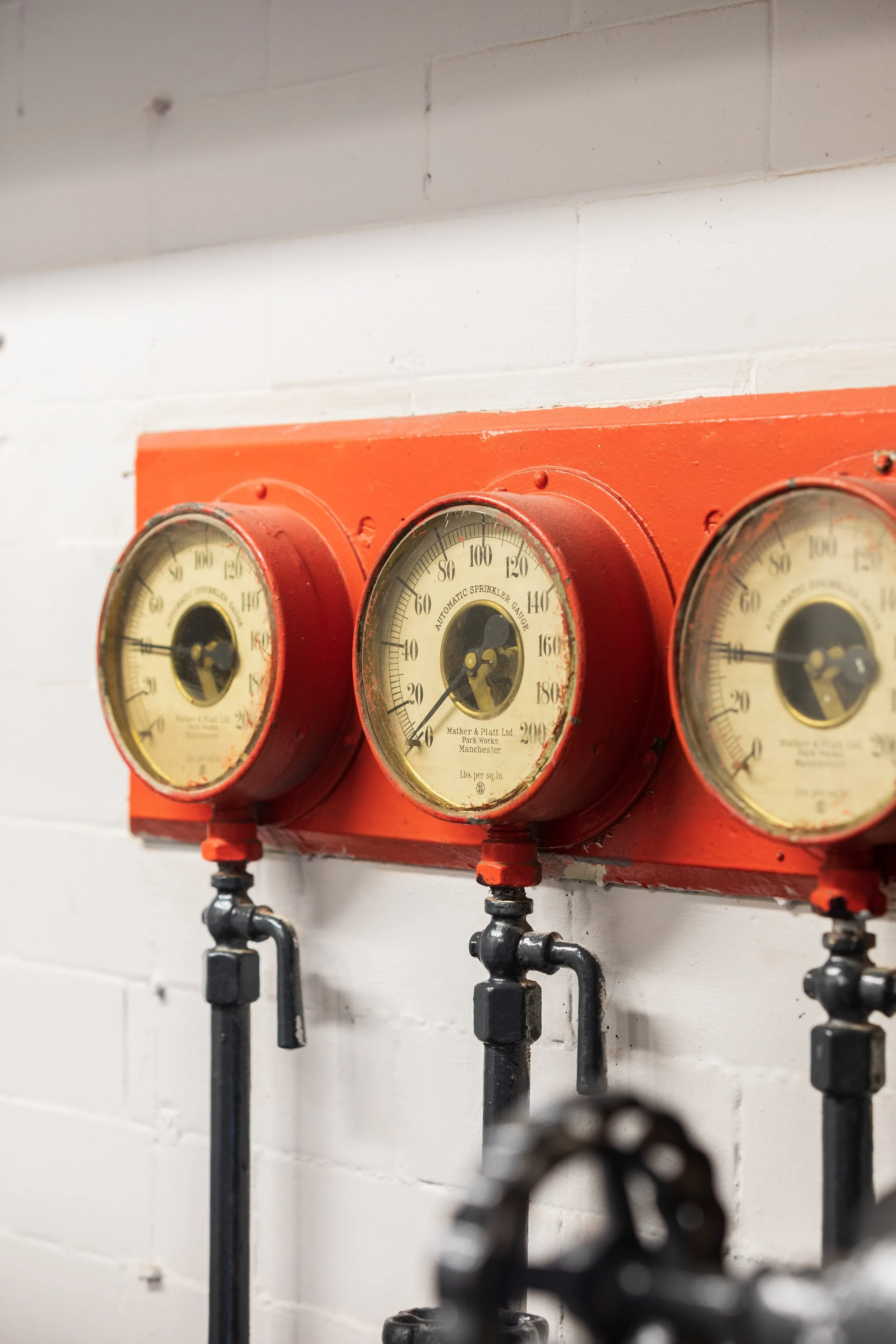
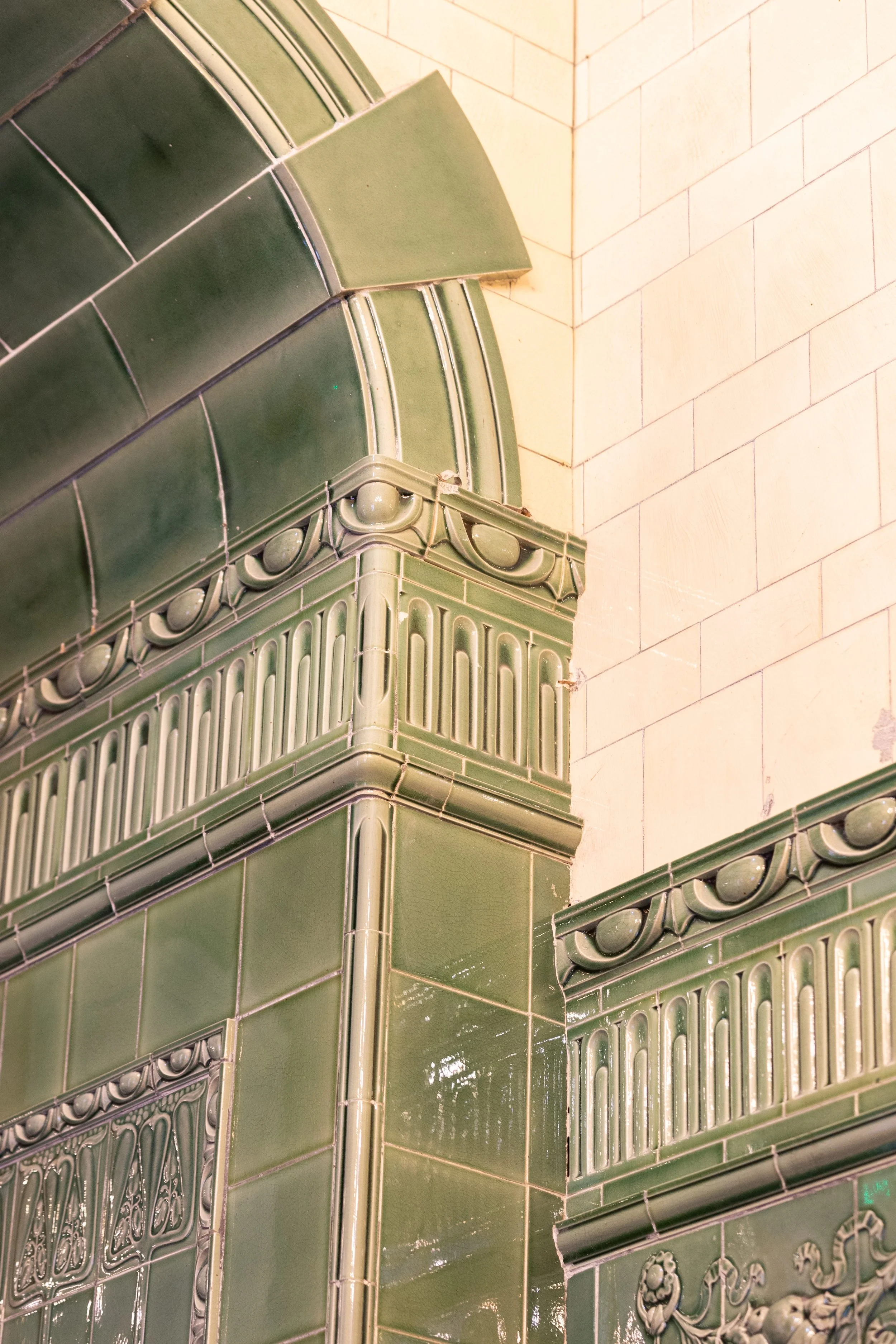
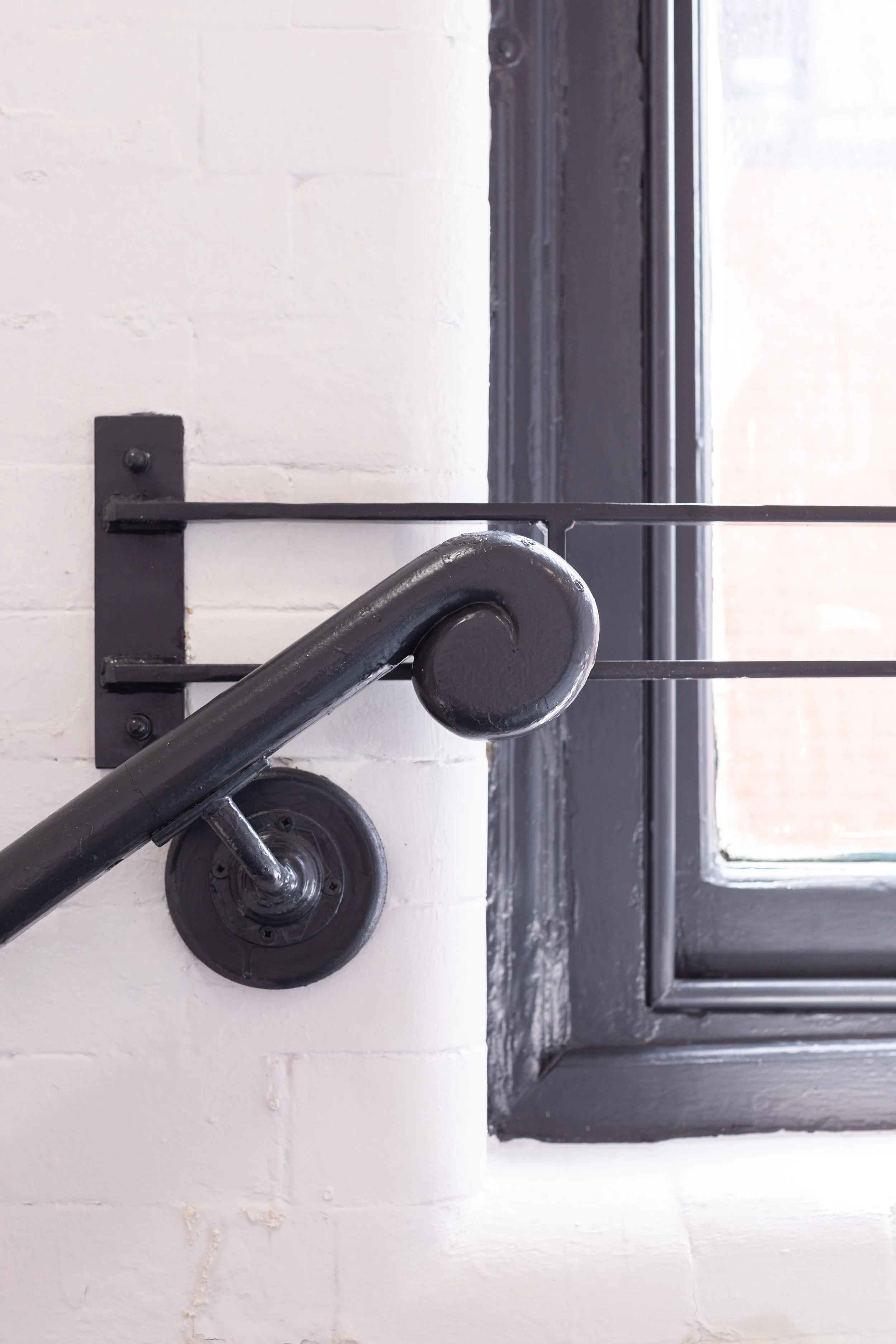
At The Press, while the principle of development had been established through the planning permission, much of the finer details around materials, window treatments and internal fixings were secured through conditions for later approval.
As with any listed building, the key challenge was agreeing the right design intervention that preserved the special character of the building, met building control and environmental regulations and remained a viable, deliverable scheme.
The solution
Our role was to remove uncertainty by leading on the negotiations required to sign off details. We became the single point of contact of post-permission planning.
Working closely with the design team, contractor, specialist consultants and city council, we led on the discharge of around 40 planning and listed building consent conditions. We coordinated submissions, managed consultant inputs and maintained regular dialogue with planning and conservation officers to ensure technical matters were resolved quickly and collaboratively.
As part of our delivery strategy, we identified where non-material amendments were needed before they became programme issues, attended site meetings to agree details in person and kept things moving.
The benefits
The condition discharge process doesn’t make the headlines but it’s one of the most influential on the delivery programme.
Throughout the three-year process we took the lead on complex negotiations with the city council to maintain momentum. The approved approach for the building’s windows, for example, had been to repair the existing frames, but further technical assessment identified that sympathetic heritage-style replacements would better satisfy modern energy performance requirements.
The successful conversion of historic buildings is a valuable element of good placemaking, and it’s crucial that it’s done sensitively. Done well, as at The Press, and the benefits are clear: the successful restoration of an important piece of Manchester’s heritage, a piece of Manchester’s story revived and celebrated, and 66 new homes that have become the setting for countless new stories of their own.