
Turning consent into construction
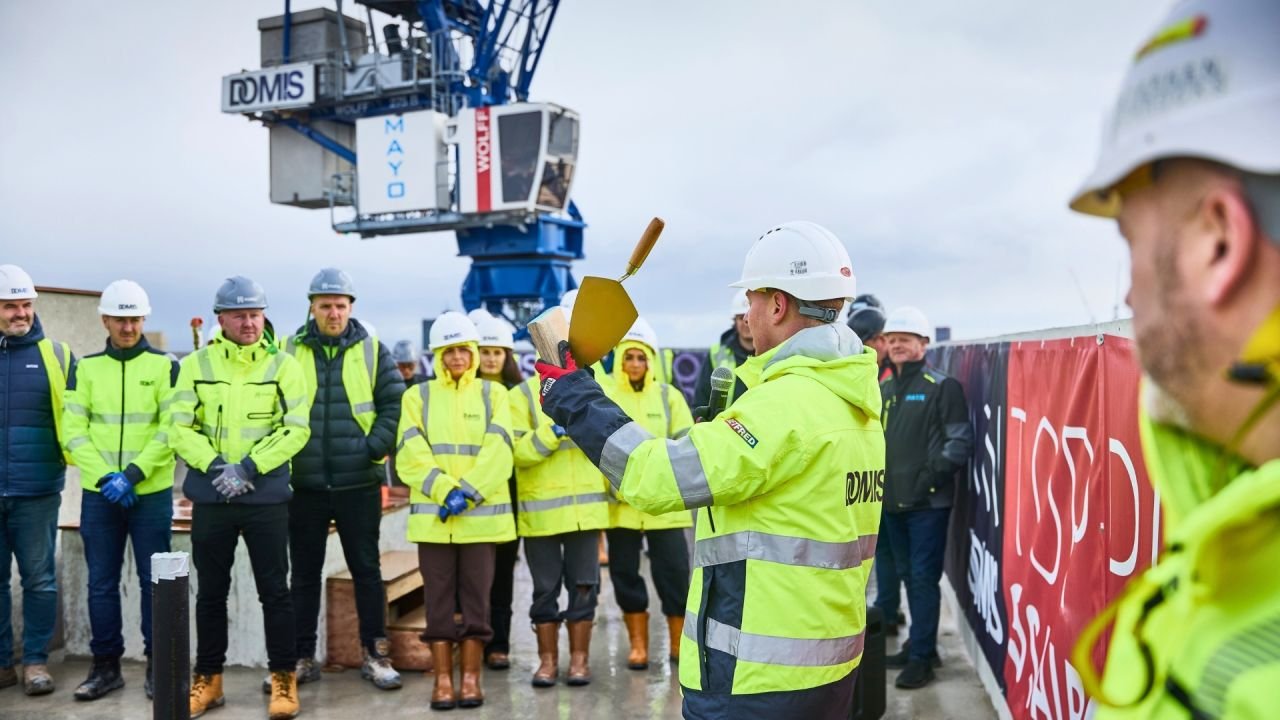
Credit: DOMIS
Securing the much awaited and hard-earned decision notice is a big moment in the life of any development project. And deservedly so.
But anyone who’s delivered a major development scheme knows that the route through the planning system doesn’t stop once permission is granted, and the path forward to delivery is rarely straightforward.
Complex consents bring complex planning conditions and, usually, the odd unforeseen hurdle or two lying in wait.
Our role is to help unlock delivery, and that’s just as much about removing barriers between an approved scheme and a completed development as it is about securing the principle of development.
Getting to site
Once the celebrations are over, attention quickly turns to one question:
How quickly can we get on site?
Major development proposals, particularly on brownfield sites, face a multitude of technical hurdles, known and unknown, before a spade hits the ground. The months that follow planning permission determine how quickly that happens. Whether it's mobilising contractors, satisfying funding requirements or keeping procurement on track, planning decisions have a direct impact on the wider programme. The planning strategy and construction programme should always work hand in hand.
Creating certainty
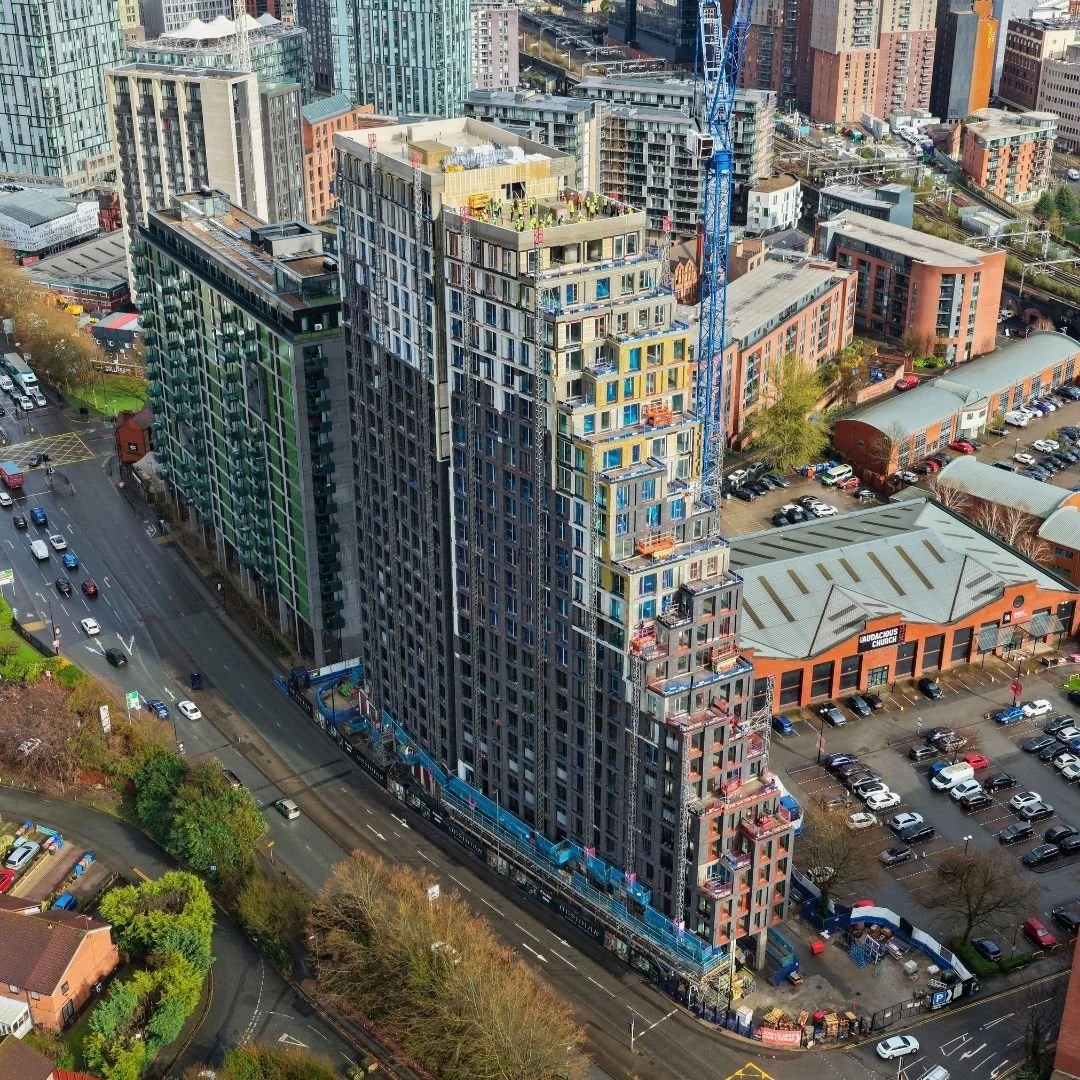
Topping out at Obsidian, Salford. Credit: DOMIS
It’s one of the biggest criticisms levelled at the planning system: uncertainty. Delays, unexpected requirements and changing circumstances make it difficult to commit to programmes, procurement and funding with confidence. Our role is to create as much certainty as possible before work starts to help clients make informed commercial decisions with confidence.
Before a permission has been granted, we routinely interrogate draft planning conditions to:
· Identify and challenge unnecessary conditions
· Front load information to remove the need for a condition
· Review triggers and negotiate greater flexibility where possible
A requirement for material samples before any works commence, for example, could be amended so that it kicks in before above-ground works begin. Working for Salboy and DOMIS on Obsidian, for example, we agreed with the LPA that the approval of material samples didn’t need to hold back below ground works, giving more certainty to this critical stage in the construction programme.
Increasingly, funders and investors also want a clear picture of a scheme's planning status before releasing finance. By maintaining detailed planning condition schedules, tracking progress and coordinating with planning officers, we provide the clarity that gives both developers and investors the confidence that projects remain on programme.
Ultimately, creating certainty is about giving everyone involved in the project the confidence to make the next decision, whether that's appointing a contractor, procuring materials or satisfying a funder's requirements.
Keeping delivery moving
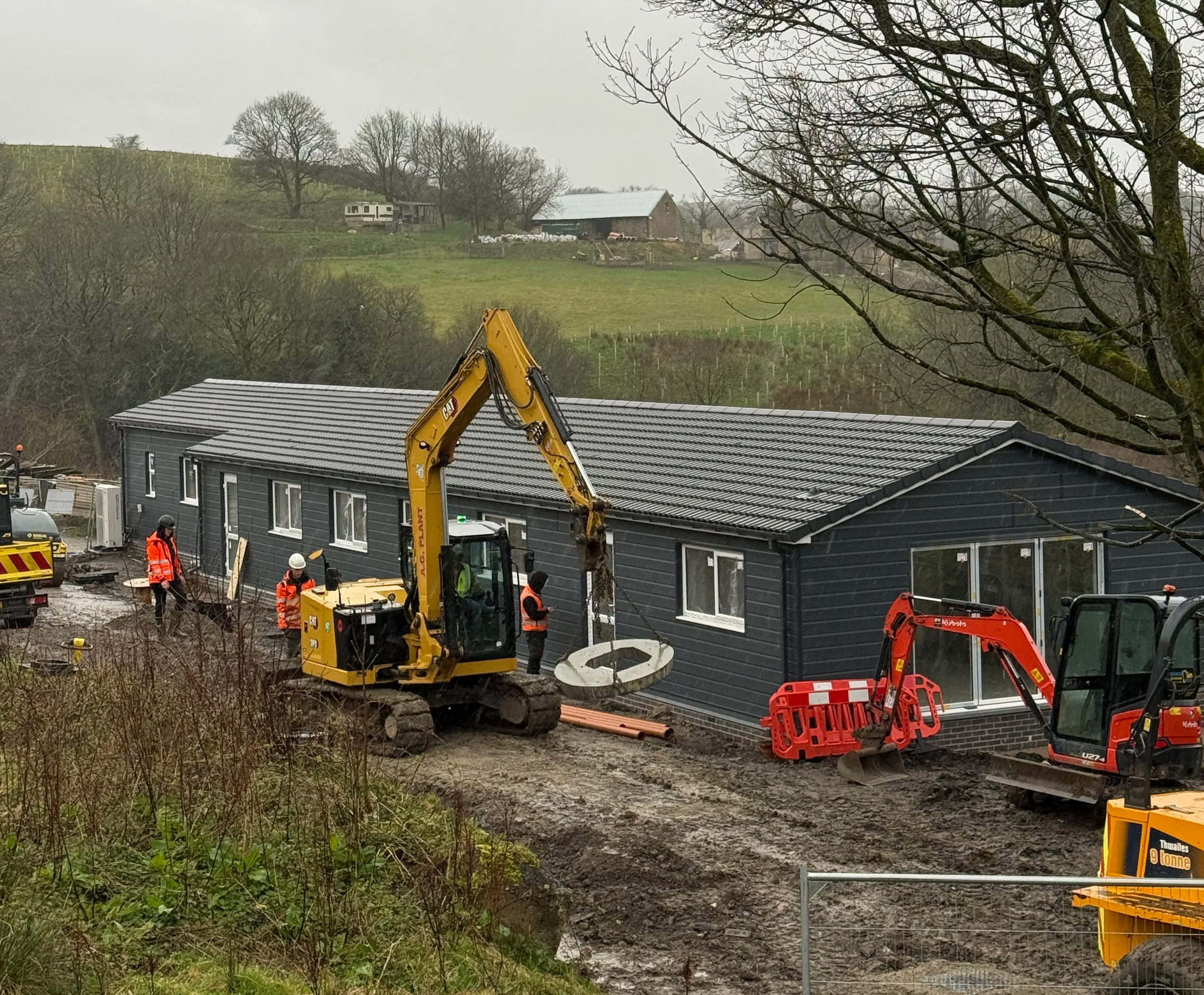
Phase 2 of development at Rescue World. Credit: Dogs4Rescue
Construction programmes have a momentum of their own. Contractors are mobilising, procurement is underway and delivery teams are working to fixed timescales. Planning needs to keep pace.
Our role is to make sure planning supports the programme rather than becoming a constraint on it, whether that's sequencing condition discharges, coordinating with consultees or helping clients understand what needs to happen and when.
Sometimes that means agreeing a phasing strategy to allow part of a scheme to progress while later phases continue to evolve, as we did for Dogs4Rescue’s Rescue World site. Sometimes it's about working responsively with planning officers and attending site meetings so that technical details can be agreed quickly, as at The Printing Press in Manchester’s historic New Cross neighbourhood.
Where programme pressures demand it, we've used Planning Performance Agreements to begin technical discussions before legal agreements have completed, helping formal submissions progress more quickly once they’re made.
Being delivery-focused requires understanding the pressures beyond planning. Equally, if contractors are experiencing unusually long lead-in times to source materials, we'll encourage early conversations with the local authority to keep procurement moving. These seemingly small tactics give contractors more flexibility, such as allowing demolition and groundworks to progress, ultimately helping protect the wider construction programme.
Helping schemes adapt to change
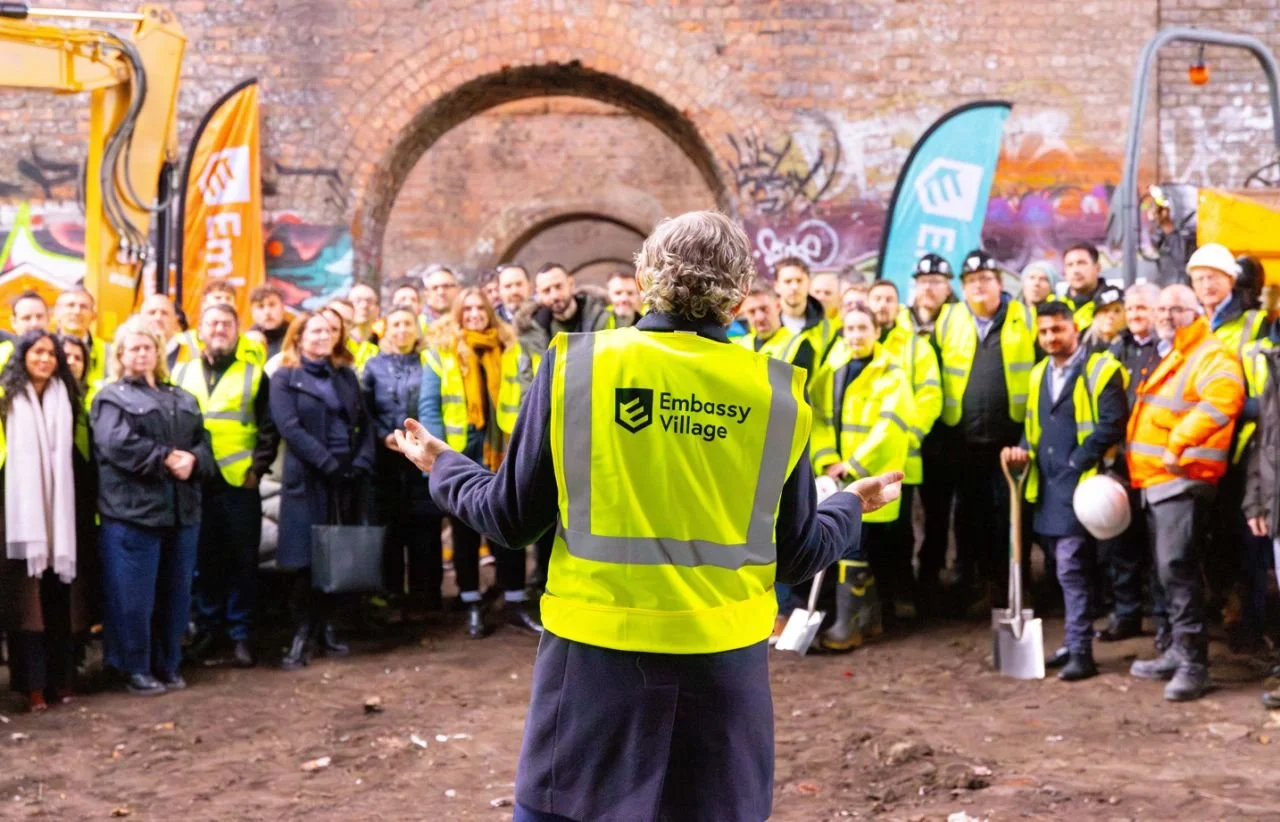
Breaking ground at Embassy Village, Manchester. Credit: Peel Waters
Getting a space in the ground is an important moment. Yet very few developments are built exactly as they were originally approved. Commercial realities shift and new technical challenges emerge. Sometimes circumstances outside anyone’s control require a new approach.
The key is recognising those changes early and identifying the most appropriate planning route forward.
At Embassy Village, evolving security requirements meant elements of the approved entrance arrangements no longer reflected the scheme’s operational needs. Rather than allowing condition discharge to stall, we developed a planning strategy that secured the necessary amendments and kept the project progressing.
Much of this work goes unseen, but it's often what makes the difference between a project progressing smoothly and one becoming tied up in unnecessary delay.
Planning beyond permission
The planning permission creates the possibility of something new.
Our job is far from done once consent has been secured. It takes experience, judgement and a collaborative approach to navigate the technical detail, respond to change and keep projects progressing so that proposals become a reality.
By creating certainty, supporting delivery and helping schemes adapt as they evolve, we help clients move from consent to construction with confidence, so they can focus on what they do best: delivering great places.
